
Breakfast with my fav nun

Dream
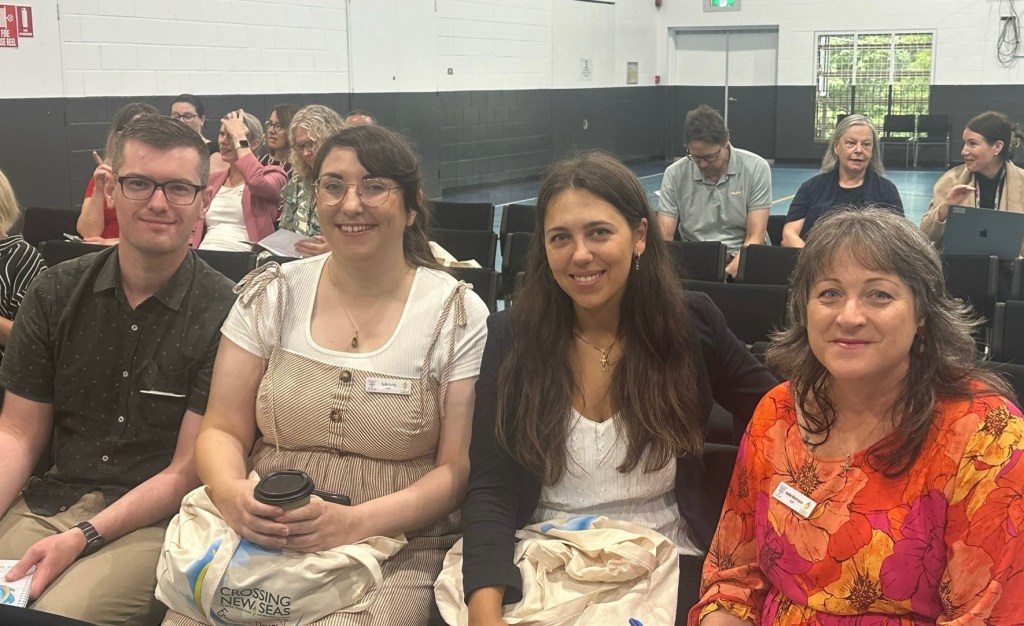
We begun our day with a liturgy focusing on imagining the possibilities for the future of Kildare Ministries. We listened to the worship song- Oceans and reflected on what it was saying to us.
The lyrics that stood out for me were:
“You call me out upon the waters, the great unknown where feet may fail”
Reflecting on those lyrics and future hopes for KM, I want KM to continue to find ways to share the gospel in a pluralistic, multicultural school.
What ways could we engage young people in the story of Jesus?
And I think it is to do what Jesus told us to do – Love your neighbor’. And what the prophets called the Israelites to do: “care for the widow and the orphan’. This is still so very, very central. And if you know me even a little bit, you’ll know that I love the message of the prophets. I love their reluctant calling. I love the challenges they set before the people they spoke to and I love their faithfulness to the message they were called to give.
So, who are the widows and the orphans today? Who are the marginalized and how can they care for them?
Returning to the lyrics of the song – Jesus called Peter to step out of the boat and onto the water – it is JESUS’ FAITH IN US to do things that is mind blowing. Step out into the unknown where feet may fail, but God will not. And God is with you.
It was a contemplative start to what will turn out to be a challenging and overwhelming day of listening.
Can I just say that Peter O’Neill coming to us from the Star of the Sea hub, standing in front of that big crowd, looked just like a televangelist and it made me giggle everytime!

Back to the Program!
First Nations Inclusion
Our Key note speaker was Professor Anne Pattel-Gray who spoke to us about First Nations inclusion.
An over view of what she spoke to us about.
We are called to be Christ’s ambassadors for justice and reconciliation and as places of education, schools can lead the way in this.
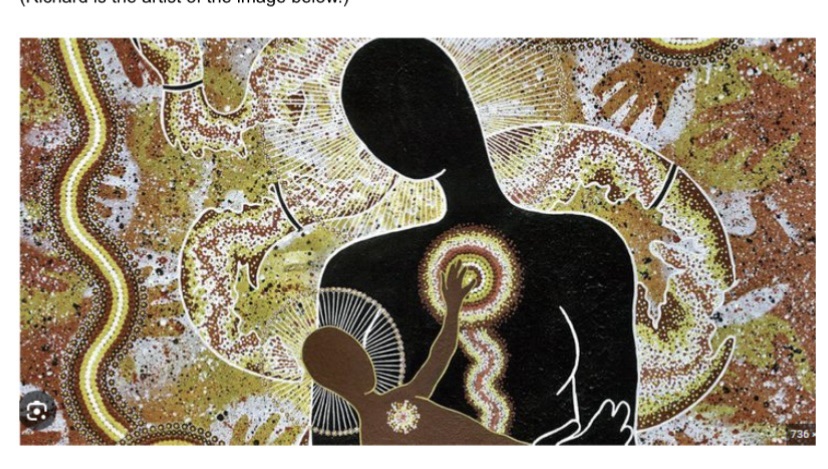
Dream
Do we Dare to dream of a better future for Australias First Nation children?
If we don’t believe it it won’t become our reality.
Their Culture is their strength and they gift their culture to us if we accept it meaningfully.
Indigenous children learn everything about our culture from the education system but what do we learn about them?
When do we learn their language, culture, values and relationship to creation?
Relationships are built on sharing – we need do this to transform our nation from our schools outward.
Christians are called to be on the side of the oppressed and the marginalized – surely this is Australia’s First Nations peoples.
Our schools must raise a prophetic voice in our actions for justice to right the wrongs and walk alongside First Nations people on a new path of Love justice hope.
Dare to dream of this future. And as we learned yesterday, there is no path –
Our footsteps are the path

Reflecting on her words, it’s pleasing that we have the 9/10 elective My Place, as a starting point. But it is only an elective and is chosen by only a few students. The year 9 history curriculum is originally where students learned our true history of colonisation but even that was limited to a western view of ‘history’ and does not focus on learning about language, culture and connection to the land.
Dr Pattel-Gray also suggested that the curriculum that is brought into the schools should be taught and written by Indigenous people. So what’s the answer here for schools where we have so much to teach and where every key learning area believes theirs to be the most important?
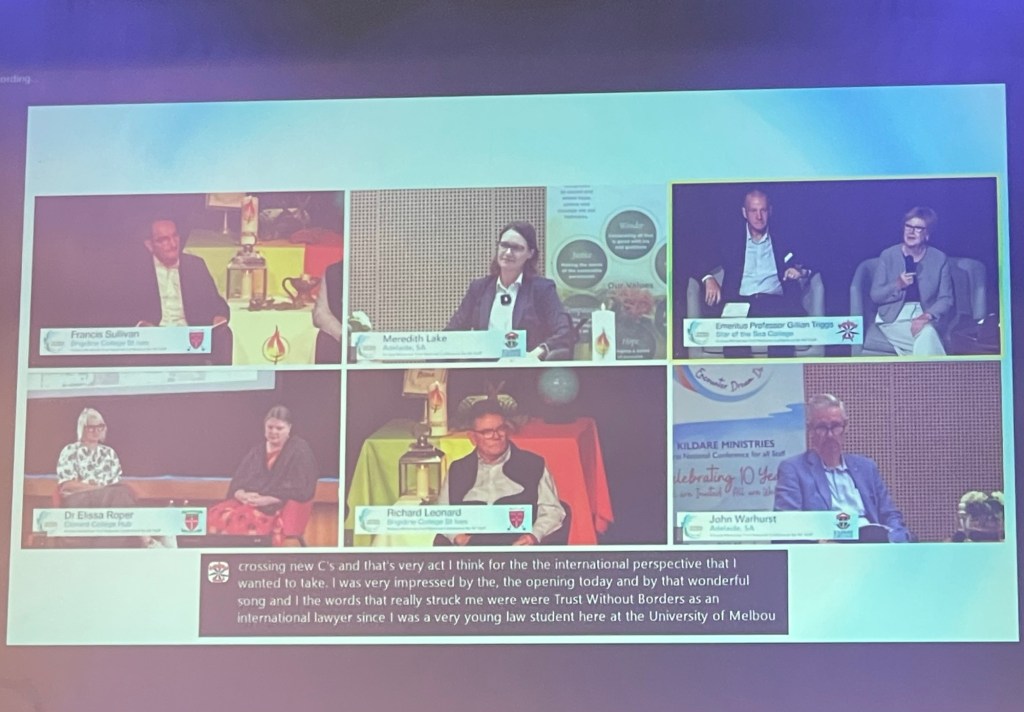
Panel One: New Horizons
We heard from a number of incredible speakers from all works of life.
Emeritus Professor Gillian Triggs
⁃ being humane and compassionate begins at home. No wonder we are reluctant to embrace others coming here, we can’t even treat Indigenous people with humanity.
⁃ There are 140 million displaced people and that has doubled in the last 10 years and is expected to double again in the next 5.
⁃ It’s the continuation of the movement of people after WW2 and is increasingly economic and fleeing conflict (what a great link with the history curriculum!)
1. We need to share equitably the responsibility of caring for refugees (nations)
2. Also take personal responsibility
Challenge to understand each other better.

Frances Sullivan AO
He spoke about that sinking feeling we get that despite all our best efforts, they are ultimately futile.
⁃ We rally and then feel despair. We campaign and then despair.
⁃ We have convincing arguments but need to pair it with a compelling lifestyle.
⁃ Voice of faith communities,- the less ideolgical and more compassionate we are, the better so we can shape debate.
⁃ Why are we so coy? Why so nice?
⁃ Justice requires revolution and passion.
⁃ Stand Up. Speak out. Take sides!
⁃ Ethics – liberate the poor.
How?
Who is doing the oppressing?
Who benefits from things staying the same?
Challenge to get uncomfortable.
More on him here:
https://concernedcatholicscanberra.org/francis-sullivan-ao
Father Richard Leonard
What a brilliant and funny man.
He voiced on who are today’s tax collectors – the people we don’t want sitting at our table.
In Jesus’ day, they were the worst and it was incredibly confronting that Jesus called them to follow him and also ate with them.
Who are we including and excluding today?
Eg Religious schools wanting the right to exclude teachers and students is unfaithful to the teachings about the Kingdom of God.
Challenge to practice what we preach n our own community first.
Warning: never argue with a Jesuit.


Dr Elissa Roper on Synodality
Firstly, I had to Google what this is even though I had a vague idea it meant ‘together’ , and secondly, as a reformed and deconstructed Protestant (gasp) who now calls herself an ‘ex-evangelical’, I reject the notion that only certain individuals are theologians because all Christians are at some level studying God. Anyway, off my high horse and back to Synodality which is a way of “journeying together” – of living out our faith – that calls for speaking and listening to one another and the Holy Spirit in order to find a path forward in addressing the issues facing the Church in our day as we work to carry out our mission of making known the Good News.
What I loved about Elissa’s message was the focus on prophets – those with burning in their breast who are compelled to speak out against injustice. As she said “informed stirrers”.
She linked her message with the early one from Dr Anne Patell-Gray, “How can we be friends if you don’t know anything about us?”
Jesus showed us how to be friends with others so we knew to increase our circles of friendship.
Challenge to Keep widening our circles until our own personal hearts and minds and eventually our communities are transformed.
A more personal challenge for me was that i totally judged Elissa before hearing from her. When I saw the KM sneak peak speakers Instagram story, I googled them and thought the Geelong hub had lucked out. Elissa ended up being my favourite speaker and I would have loved to hear here speak more. Oh and she has 4 children. 🤣
https://dwu.academia.edu/ElissaRoper

Professor Emeritus John Warhurst – political scientist
⁃ We need to get our own house order to transform Australia
⁃ even the church is not on the same page with issues of justice.
⁃ The health of the church needs to improve for the health of society and education to improve
He quoted Nick Cave to describe hope:
Hope is optimism with a broken heart.
Nick Cave
⁃ culture is revealed by language. What we say is a dead give away. Eg certain language in the Catholic Church that divides the genders and emphasizes complimentary roles of men and women. This language does not promote equality. While taking about equal dignity, the focus on different roles weaponises difference and ensure equality won’t happen because it leads to inequality in the church.
LUNCH BREAK followed by video stories of the three community works that KM oversees.

Wellsprings for Women

Brigidine Asylum Seekers Project
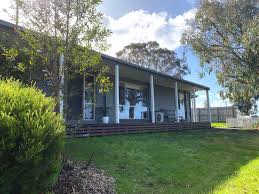
Saltbush
Provides restorative holidays for those that need them most.
Next we participated in the first of two chosen workshops -Wind and Waves
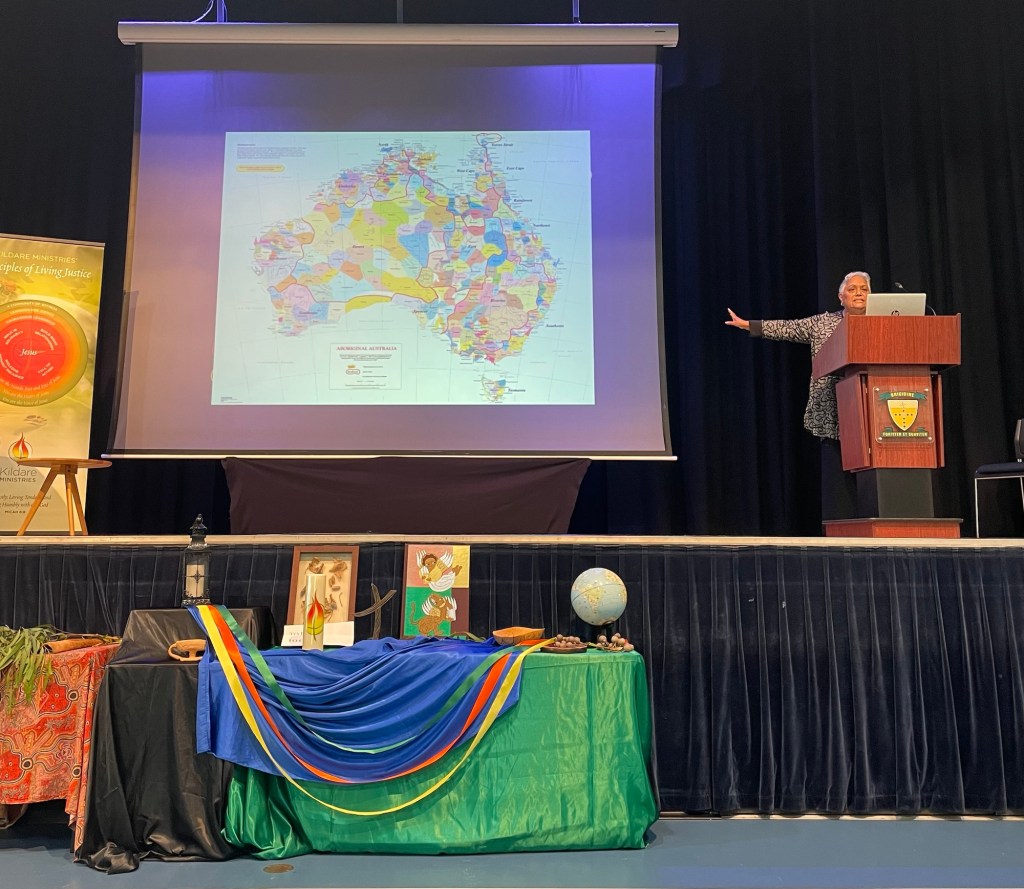
I chose to listen to Dr Anne Pattel-Gray who spoke about Aboriginal Spirtuality – a deep sense of the sacred: Australias First Nations spirituality and connection to country.
This was a long session and I took lots of notes but for here I will attach her slides. Each point on them I have notes for.

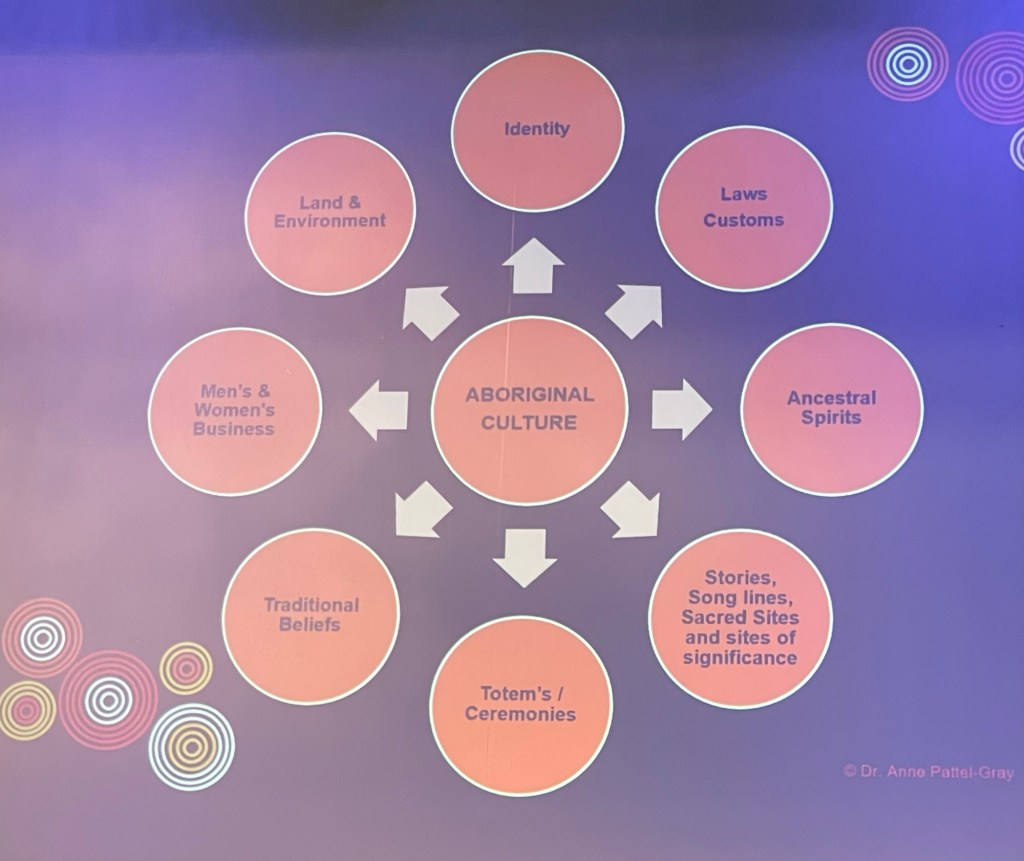


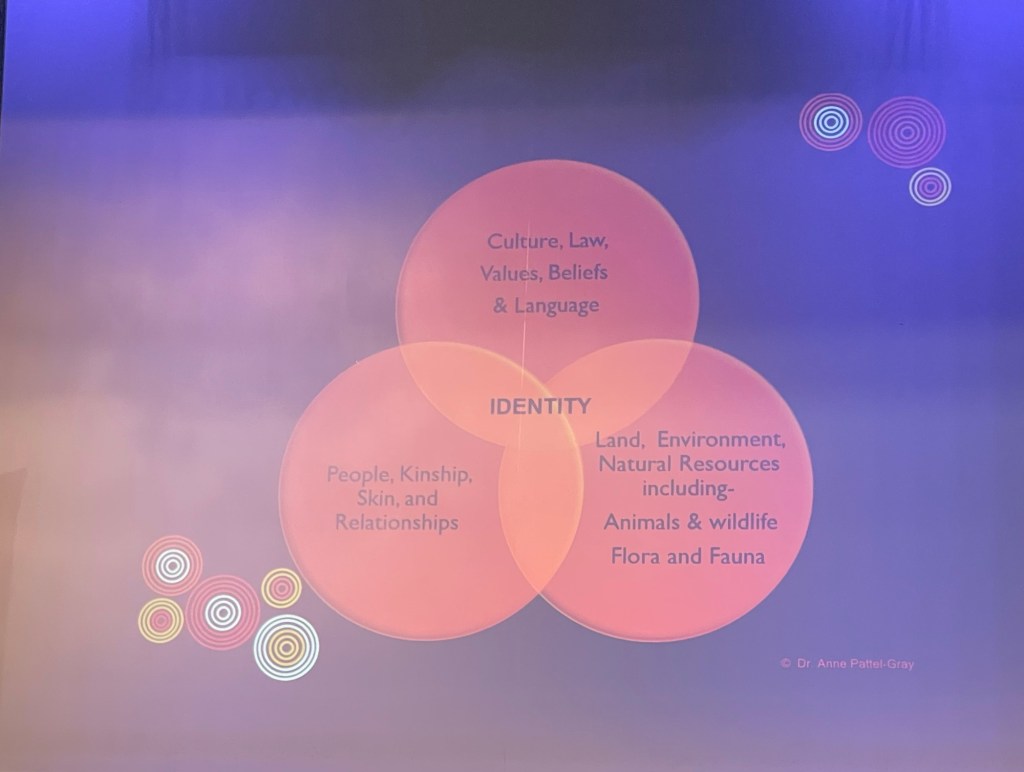
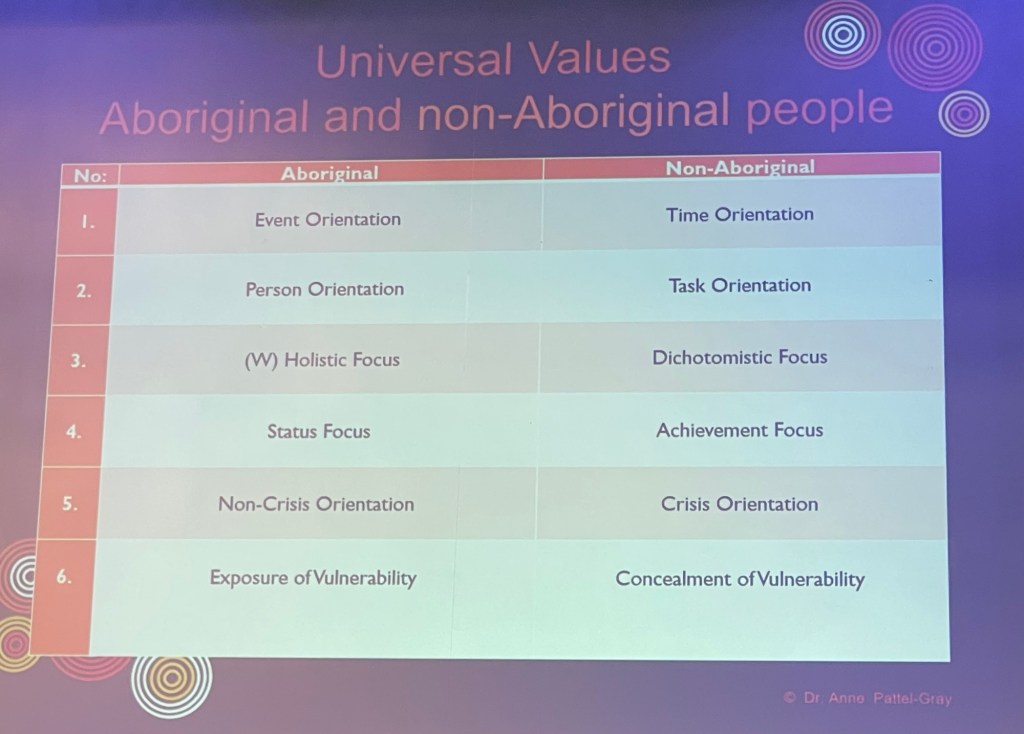


I think the big take away is being able to understand a culture that is practically opposite to mine so I can understand the ways my Indigenous students learn and be.
Workshop 2: working together
I chose to participate in a workshop with Marlon Riley & BrianWrap from Ngutana-lui. Focused on the richness and diversity of Aboriginal and Torres Strait Islander Cultures.

My big learning from these two Christian men was about the way they have embraced Jesus and Christianity despite it being forced on their people.
The Torres Strait islands have a celebration day dedicated to the Coming of the Light. The Coming of the Light is celebrated by Torres Strait Islanders on 1 July each year. This date marks the arrival of members of the London Missionary Society, to the Torres Strait Islands, in 1871. The missionaries landed at Erub and introduced Christianity to the region.
It surprised me that a religion that could be seen as that of colonizers and something that could erode Indigenous spirituality, that was forced on a people even by well meaning missions, has been gratefully accepted and integrated by finding connections with their traditions.
I think it could be fun to decolonize the Bible in my RE elective “Does the Bible really say that?” As well as connect the Bible stories to dreaming stories.
We all bring our culture to the stories of the Bible and interpret them through that lens.

Panel 2: Standing on new shores
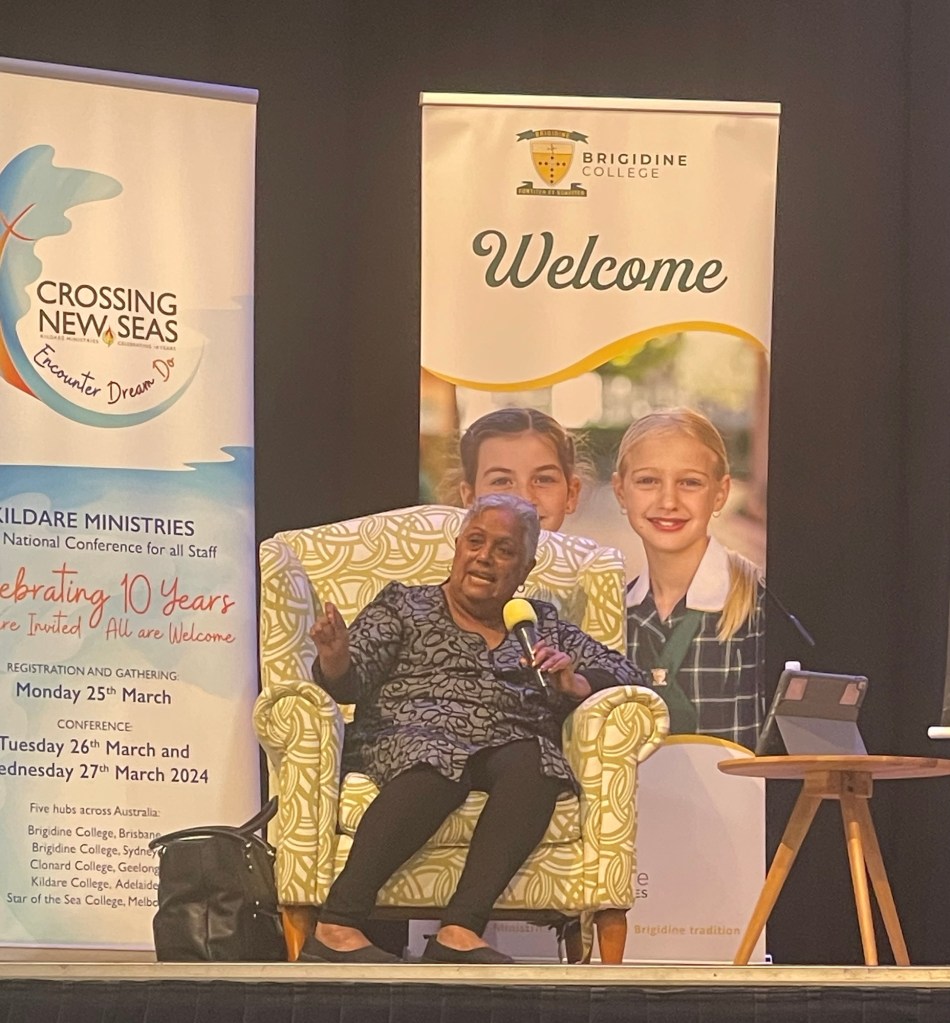
What does it mean to be changed by what you learn?
What does truth telling lead to?
How to advocate simply and clearly : speak and act collectively. The Church must rise up and be leaders. Call out injustices like the sisters do.
One must have a willingness to change as an individual, as a teacher and person in authority and responsibility to educate next generation of leaders.
Listen.
Shift privilege to raise up another culture.
In the words of our Marian school song- “we will help to Transform our culture from this place.”
Conference Dinner at Victoria Park
A wonderful view shrouded by cloud. A delicious meal and flowing Prosecco. And just the lovely and genuine way the 2017 pilgrims could just reconnect.




 coddiwomple